
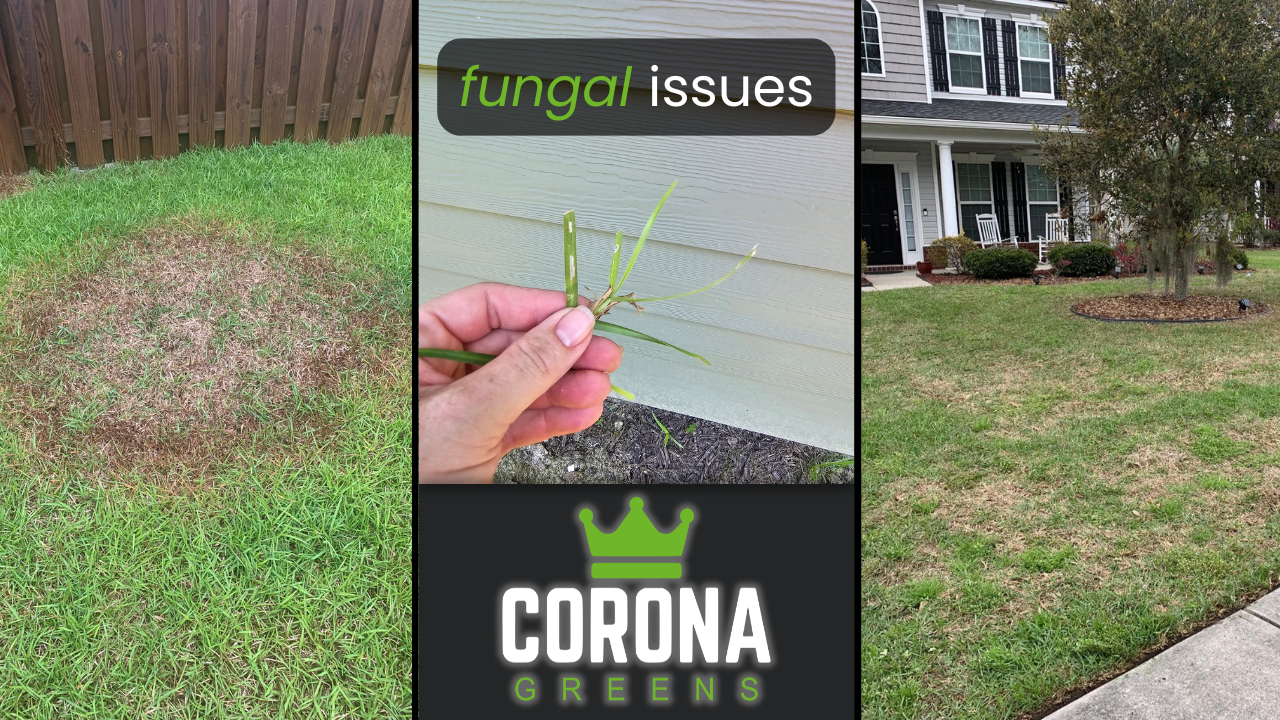
If the first thing you see when you pull into the driveway is a lawn covered in brown patches, thinning grass, or strange circles spreading across the yard, you are not alone. Spring is one of the most common times Richmond Hill homeowners begin noticing fungal damage.
Our coastal Georgia climate creates ideal conditions for lawn disease. Warm temperatures, rising humidity, cool overnight moisture, and wet turf in the morning can all create stress that fungus loves.
Many homeowners assume brown spots mean the lawn needs more water or fertilizer. Sometimes the real issue is not neglect at all. It is disease beginning to take hold.
Why Fungus Is So Common in Richmond Hill
Lawns in Richmond Hill face a different set of conditions than many other areas. We deal with:
Humid spring mornings
Heavy dew
Rain followed by warmth
Sandy soils that dry unevenly
Fast seasonal growth
Warm-season grasses such as Bermuda, Zoysia, Centipede, and St. Augustine
When moisture sits too long on grass blades or soil conditions become unbalanced, fungal activity can increase quickly.
What Brown Patches Can Actually Mean
Not every brown area in a lawn has the same cause. Several common issues may be responsible.
Large Patch
A frequent problem in warm-season turf. This often appears as expanding circular or irregular brown areas.
Dollar Spot
Smaller straw-colored spots that may join together over time.
Root Stress
When roots stay too wet or become weak, grass can yellow, thin, and fade into brown patches.
Mowing Stress
Grass cut too short or with dull blades can struggle to recover and become more vulnerable.
Drought Stress
Inconsistent rainfall or shallow watering can dry the root zone fast. Grass may turn brown, become brittle, and develop thin or patchy areas when moisture levels drop too low.
This is why treating every lawn the same way rarely works.
What Many Homeowners Do First
Most people try one of these reactions right away:
Water more often
Apply fertilizer immediately
Cut the grass shorter
Hope it clears up on its own
Unfortunately, those moves can sometimes make fungal problems worse. Extra moisture may feed the issue. Added fertilizer can stress unhealthy turf. Waiting too long can allow damage to spread.
The Better Approach: Diagnose, Treat, Recover
A healthier lawn usually begins with identifying the actual cause. Once that happens, the right treatment plan can begin.
That is where Corona Greens comes in.
We focus on lawn treatments built for Richmond Hill conditions. Instead of guessing, we evaluate what the lawn is showing us and respond with a plan designed for long-term health.
What Recovery Can Look Like
A lawn dealing with fungal damage today does not have to stay that way all season.
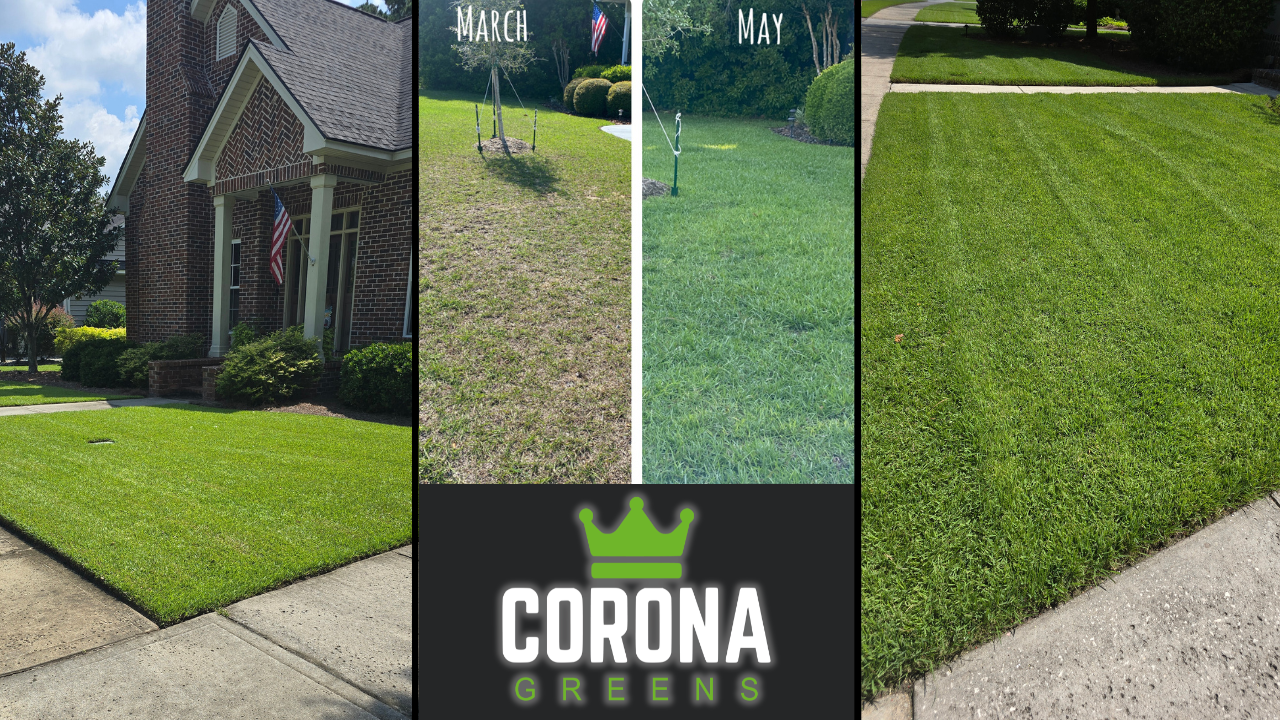
With the right care, lawns can recover thickness, color, and consistency. Bare-looking areas can fill back in. Stressed grass can regain strength. The yard can go from something you avoid looking at to something you feel proud of again.
That is why treatment matters. It is not just about stopping disease. It is about helping the entire lawn bounce back stronger.
Clean color, even growth, and healthy turf tell the story immediately. Check out these lawns that we were able to bring back to life through our well-timed and thorough treatment plans:
How to Help Prevent Future Fungus Problems
No lawn is immune, but smart habits can lower the risk.
Water at the Right Time
Early morning is best. The lawn has time to dry during the day.
Avoid Overwatering
More water does not always mean healthier grass.
Mow at Proper Height
Grass kept too short is often more stressed.
Keep Equipment Sharp
Sharp blades create cleaner cuts and healthier turf.
Stay Consistent With Treatments
Routine lawn health programs help prevent small issues from becoming major ones.
Richmond Hill Lawns Need Local Knowledge
What works in other states does not always work here. Richmond Hill lawns deal with coastal weather, humidity, and seasonal pressures that require a local approach.
If your yard is showing brown patches this spring, it may be more than a cosmetic issue. The sooner the cause is identified, the easier recovery often becomes.
Corona Greens helps homeowners move past guesswork and toward healthier lawns with treatment plans built for our area.
A greener lawn often starts by solving the problem early.
